
MicroFeed
Liquid probiotic that colonises and stabilises the animal's gut flora.
- Made in Paraguay
- Live bacteria and yeast
- Ration or drinking water


What it is
A liquid probiotic with Lactobacillus (bacterium), Saccharomyces (yeast) and Bacillus (bacterium). It colonises and stabilises the gut flora: more kilos from the same feed.
Why it works
Colonises and stabilises
Colonises and stabilises the flora of the digestive and intestinal system: more even lots.
More energy from the same feed
Improves digestion and nutrient use to get more energy from the same feed.
Fewer toxins and ups and downs
Reduces the toxin load and digestive ups and downs: less diarrhoea and fewer disorders.
Immune response
Supports the animal's immune response.
Less dependence
Less dependence on growth promoters, monensin and antibiotics.
Dose and application
Live biological product. For broiler chickens and poultry in production, see the protocol below.
Protocol for broiler chickens
MicroFeed is applied in the drinking water of broiler chickens with a dosing unit (Dosatron). The lactic acid bacteria help to balance the gut flora; better flora supports digestion and the use of nutrients, minerals and proteins. With less undigested protein in the droppings there is less putrefaction, less ammonia and less odour in the house, and less medium for unwanted bacteria to multiply. Used continuously and at a low dose, it also helps to protect the water system against algae build-up.
Dose and frequency
- Dose: 1.5 litres of MicroFeed per 20-litre bucket of water.
- Frequency: every other day.
- Start: between day 7 and day 10 of the cycle, to be set with the farm's veterinarian.
- Duration: until the end of the cycle, between 40 and 45 days.
Step by step
- Prepare a bucket with 20 litres of water and add 1.5 litres of MicroFeed.
- Place the suction hose of the Dosatron in the bucket.
- Close the chlorine shut-off valve.
- Open the Dosatron and wait until the whole content of the bucket has been dosed.
- Close the Dosatron and open the chlorine shut-off valve again.
It is not dosed together with chlorine or with other additives in the same tank: they are kept apart by time of day. The application schedule is set together with the farm's veterinarian.
What to expect
Better flock health, lower mortality, higher weight, better feed intake and better feed conversion, less odour from the droppings and the litter, less ammonia in the house and better-quality litter for composting. These are expected results: they depend on the management of each farm. MicroFeed is at the stage of comparative trials on poultry farms in Paraguay, and the results will be published with their numbers once they are measured.
How it is measured on your farm
One house with MicroFeed against one house without the product, and against the farm's history of previous cycles, with technical visits from the Bloom team during the cycle and a technical and veterinary report at the end. Indicators: mortality, weight, feed conversion, odour and the condition of the litter.
Composition declared for poultry
Lactobacillus and pediococci: 1.2 × 10⁸ CFU/ml at manufacture and 3.8 × 10⁷ CFU/ml at expiry; plant extract 4%; total N 0.21%; total P₂O₅ 0.49%; total K₂O 0.22%; total Ca 0.65%; total Mg 0.05%; total S 0.04%; total B 0.01%; total Fe 0.0041%; total Mn 0.000094%; total organic carbon 1.90%; total organic matter 3.27%.
Read the full case in Research and development · Arrange a trial on your farm
Photos and videos
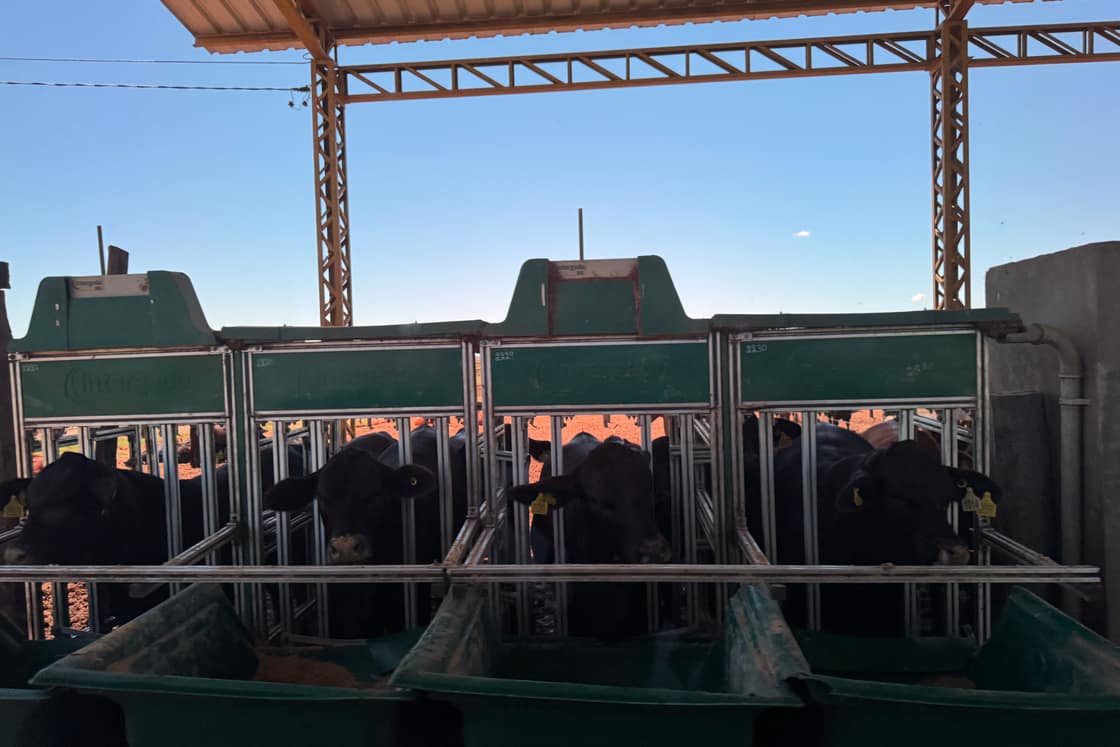
Individual feed bunks of a consumption and weight-gain trial, with the groups compared. 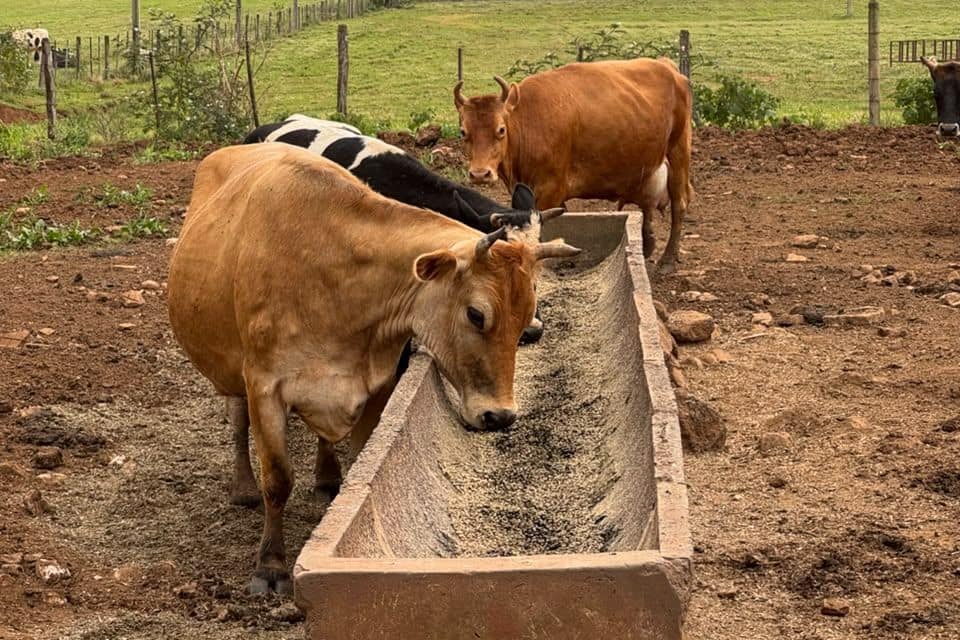
Animals eating the ration with the full programme of the animal line. 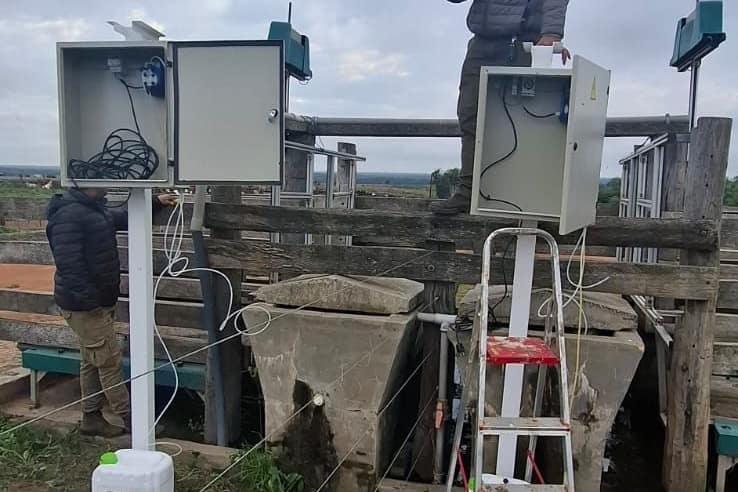
Doser mounted on the drinking-water line of the pen. 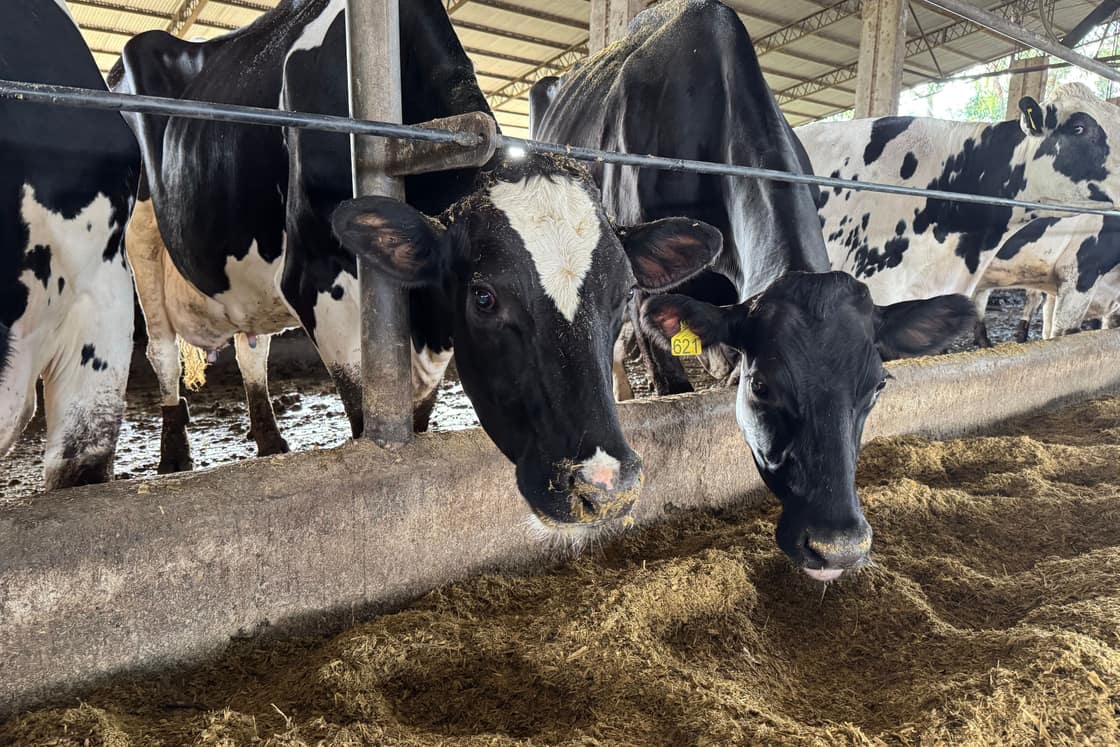
Dairy cows at the feed bunk, with the probiotic included in the ration. 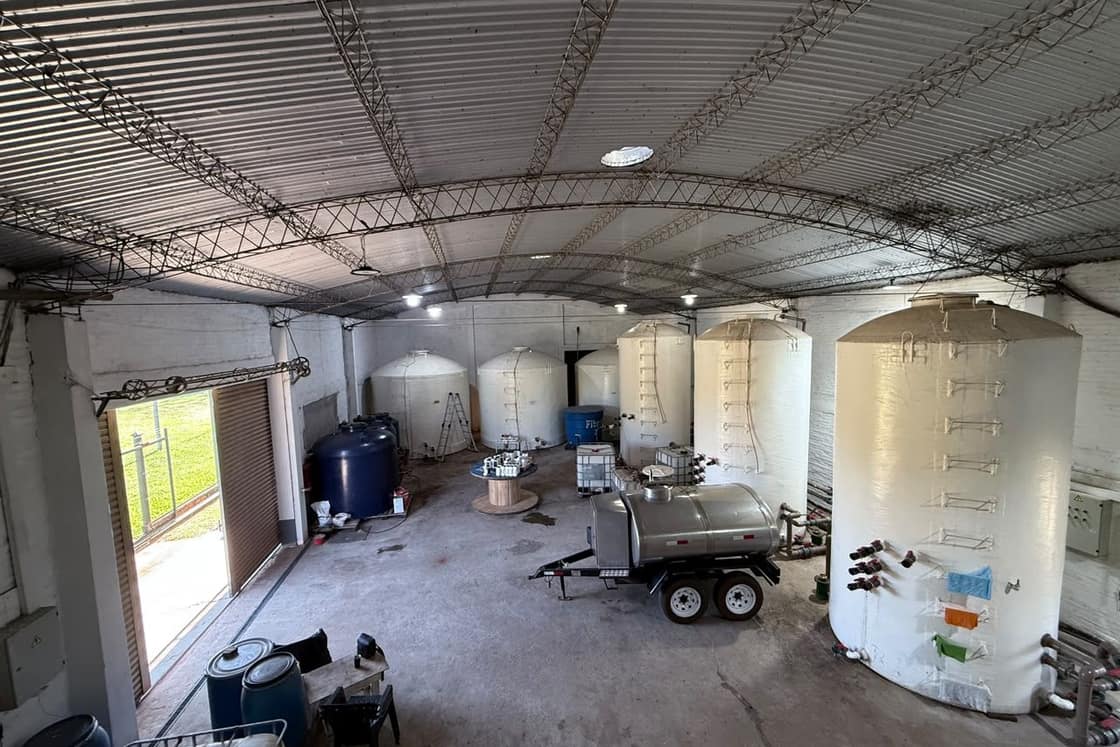
Our own fermentation and packing plant for biologicals.


Want to know how it worked on fields like yours? Get in touch with our technicians or sales team.
Talk to a technicianCombines with
Most of our products can be combined with one another. Ask one of our technicians.